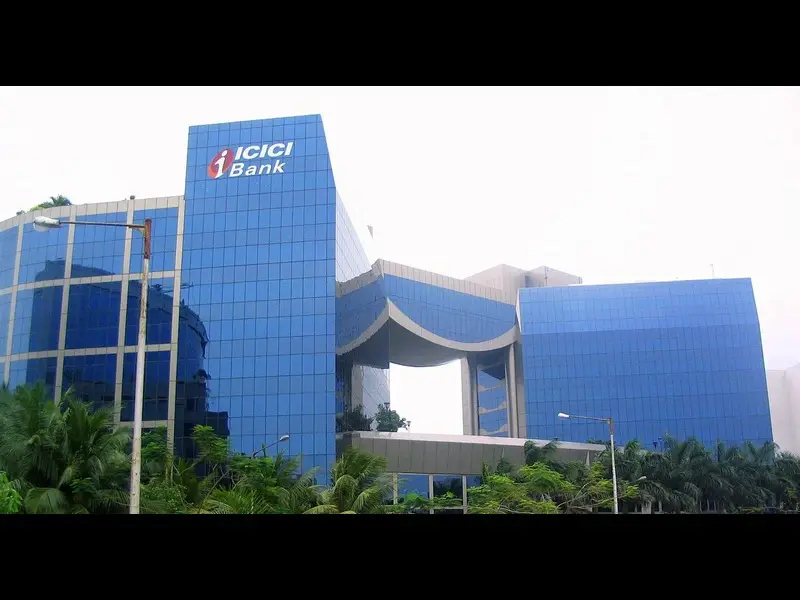
ICICI Bank, one of the leading private sector banks in India, has announced the appointment of Pradeep K. Sinha as its new Non-Executive Part-time Chairman. Sinha will take over from G. C. Chaturvedi, who will retire on June 30, 2024.
Who is Pradeep K. Sinha?
Pradeep K. Sinha is a former Indian Administrative Service (IAS) officer who served as the Cabinet Secretary, the head of civil services, for more than four years before moving to the Prime Minister’s Office. He retired from there in March 2021 after 44 years of continuous service to the nation.
Sinha has a Masters in Economics from the Delhi School of Economics and a M. Phil in Social Sciences. He has also attended prestigious programmes in Stanford University and Harvard University.
Sinha has extensive experience in the sectors of energy, infrastructure, transport, urban development and finance. He has worked mostly in the Power and Oil & Gas (Petroleum) Ministries for about 15 years in the Government of India.
He has also been a Government Nominee Director in numerous major Public Sector Undertakings (PSUs) such as ONGC, IOCL, HPCL, BPCL, GAIL, etc.
Some of his notable achievements include:
- Leading the implementation of the Ujwal DISCOM Assurance Yojana (UDAY) scheme for financial and operational turnaround of power distribution companies.
- Spearheading the formulation and execution of the National Electricity Plan for meeting the power demand and ensuring energy security.
- Coordinating the development and launch of the National Gas Grid and the City Gas Distribution network.
- Facilitating the resolution of various issues related to exploration and production of oil and gas, refining and marketing, pricing and taxation.
- Overseeing the expansion and modernization of ports and shipping infrastructure and services.
- Driving the urban renewal and smart city initiatives across the country.
Why is this appointment important?
The appointment of Sinha as the Non-Executive Part-time Chairman of ICICI Bank is significant for several reasons.
First, it reflects the bank’s commitment to uphold high standards of corporate governance and professionalism. ICICI Bank has been undergoing a transformation under the leadership of Sandeep Bakhshi, who took over as the Managing Director and CEO in October 2018. The bank has focused on strengthening its balance sheet, improving its asset quality, enhancing its digital capabilities and diversifying its revenue streams. The bank has also been recognized for its excellence in customer service, innovation and social responsibility.
Second, it brings in a seasoned administrator and policy maker with a deep understanding of the economic and social challenges facing the country. Sinha has been at the helm of various key ministries and departments that have a direct impact on the growth and development of India. He has been involved in shaping and implementing several reforms and initiatives that have improved the business environment, enhanced competitiveness, boosted infrastructure and promoted inclusive development.
Third, it adds value to the bank’s board with his expertise in the energy sector, which is crucial for India’s growth and development. The energy sector is undergoing a major transformation with the increasing adoption of renewable sources, diversification of fuel mix, integration of gas markets, promotion of energy efficiency and conservation, etc. Sinha’s experience and insights will help the bank to leverage the opportunities and address the challenges in this sector.
Fourth, it strengthens the bank’s relationship with the government and other stakeholders, especially in the context of the recent reforms and initiatives in the banking sector. The government has announced several measures to support the banking sector such as recapitalization, consolidation, governance reforms, asset resolution framework, etc. Sinha’s familiarity with the government’s policies and priorities will enable the bank to align its strategies and operations with them.
What are the expectations from Sinha?
As the Non-Executive Part-time Chairman of ICICI Bank, Sinha will have a key role in overseeing the strategic direction and performance of the bank.
He will also guide and support the management team led by Sandeep Bakhshi, who has been instrumental in steering the bank through challenging times and delivering consistent results.
He will also ensure that the bank adheres to the highest standards of ethics, compliance and risk management. He will also foster a culture of transparency, accountability and excellence among all stakeholders.
He will also leverage his vast network and experience to enhance the bank’s brand image and reputation among customers, investors and regulators.
Sinha will also contribute to the bank’s social responsibility and sustainability initiatives. He will support the bank’s efforts to create a positive impact on the society and the environment through its products, services and programs.
Recent Blog : Air India & Tata’s Rs 2,300 Cr Investment in Karnataka